 SAME DAY SHIPPING ON 99% OF ORDERS
Plug-in CFL (Pin-Base)
7030
Results
Filters
7030
Results

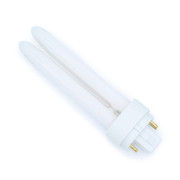


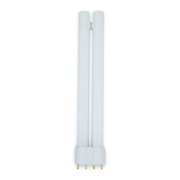

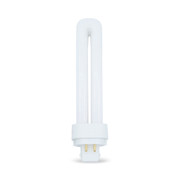

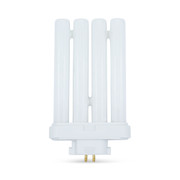


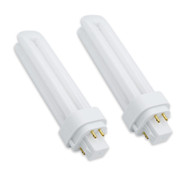
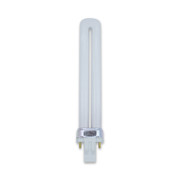
Plug-in compact fluorescent lamps (CFLs) use pin-base connectors to mount directly into dedicated commercial and institutional light fixtures. Unlike screw-in CFLs, plug-in models require a compatible ballast — either magnetic or electronic — built into the fixture itself.
Understanding Brand Naming Conventions
One of the biggest challenges when replacing plug-in CFLs is navigating the different product names used by each manufacturer for the same lamp type. The three major brands — Philips (Signify), GE, and Sylvania (Ledvance) — each use their own proprietary naming system:
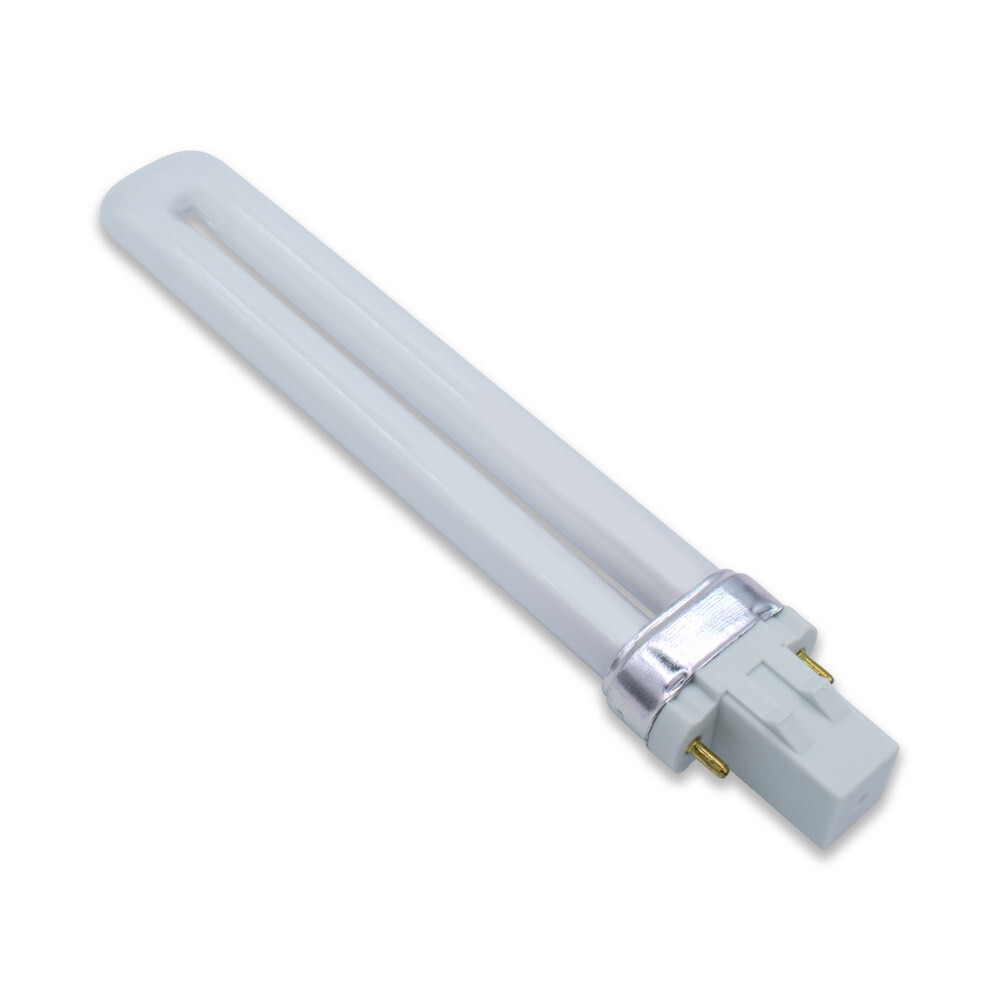
- Single Tube: Philips PL-S | GE Biax S | Sylvania Dulux S
- Double Tube: Philips PL-C | GE Biax D | Sylvania Dulux D
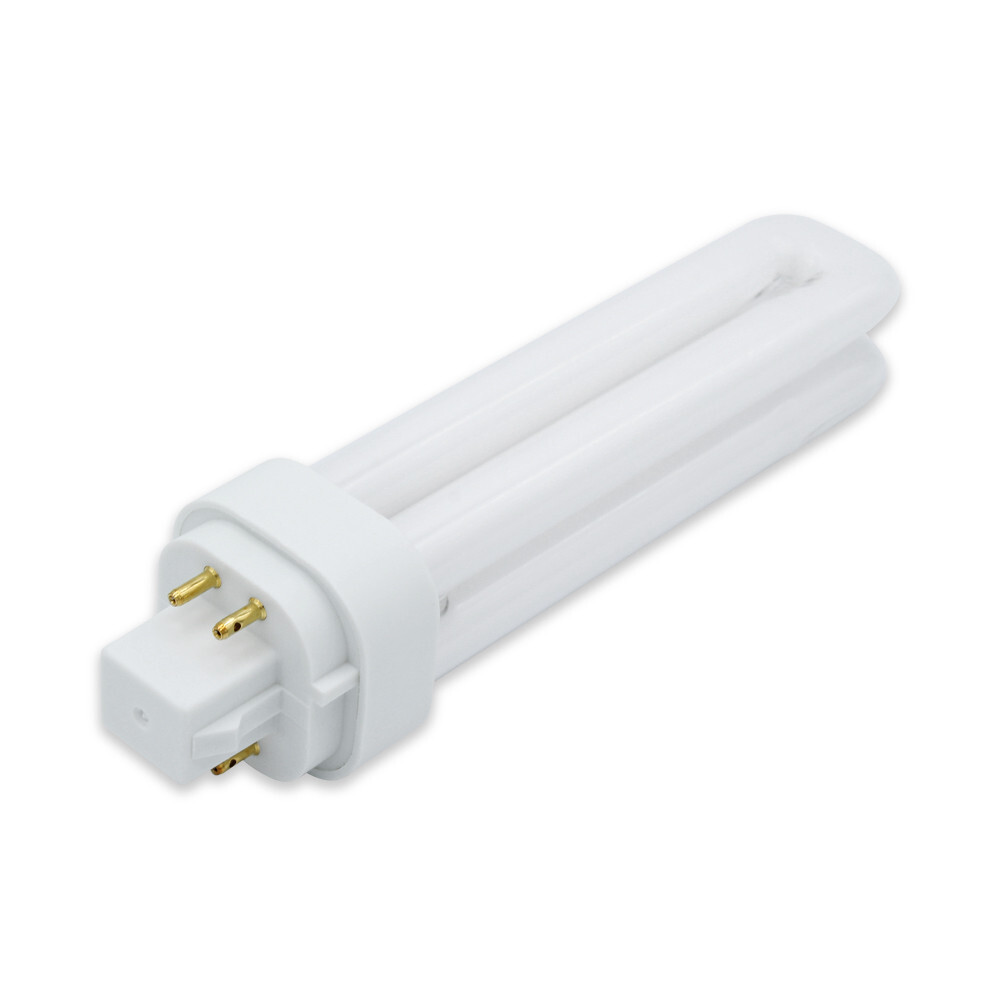
- Triple Tube: Philips PL-T | GE Biax T | Sylvania Dulux T
- Long Twin: Philips PL-L | GE Biax L | Sylvania Dulux L
For 4-pin electronic ballast versions, look for a suffix: Philips adds "/4P" (PL-C/4P), GE adds "/E" (Biax D/E), and Sylvania adds "/E" (Dulux D/E). Despite the different names, lamps with the same pin base, wattage, and tube configuration are cross-compatible across brands.
2-Pin vs. 4-Pin: Which Do You Need?
2-pin plug-in CFLs are designed for magnetic ballast operation and include an integrated starter. They use G23, G24d, GX24d, and 2G11 (2-pin) bases. 4-pin plug-in CFLs operate on electronic ballasts — often with dimming capability — and use G24q, GX24q, and 2G11 (4-pin) bases. The two types are not interchangeable; always match the pin count and base type to your fixture's ballast.
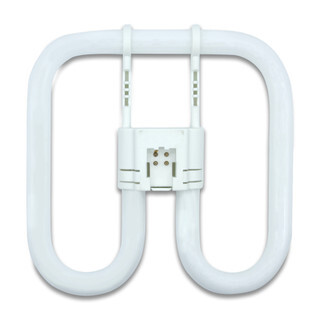
Square and flat shapes such as 2D, PL-Q, and FML lamps with GR10q and GR8 bases are also available for specialty slim-profile fixtures.