Medical Lighting & Bulbs

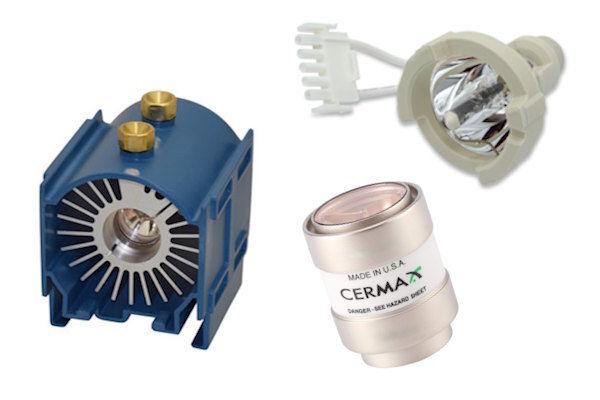
Xenon
Xenon Biomedical Lighting
Xenon lamps deliver intense, daylight-like illumination for surgical, endoscopic, and specialty imaging applications. Interlight offers OEM and compatible xenon solutions to keep critical systems running at full brightness.
Shop Now
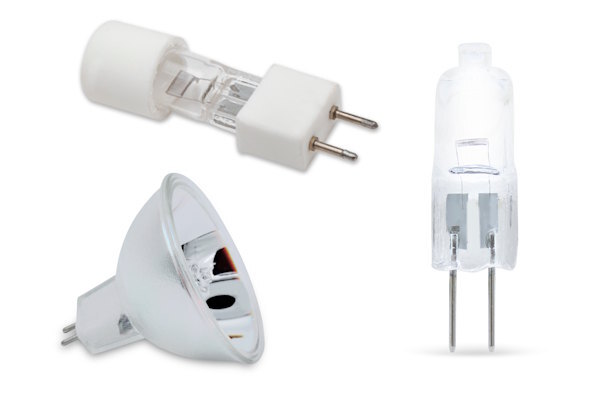
Halogen
Halogen Biomedical Lighting
Halogen bulbs provide warm, consistent light output for exam lights, microscopes, and legacy medical systems. We stock a wide range of voltages, bases, and wattages to match your existing equipment.
Shop Now
LED
LED Biomedical Lighting
LED replacements deliver long life, lower heat, and energy efficiency for a wide range of biomedical lighting applications. Upgrade from halogen or xenon without sacrificing clarity or color rendering.
Shop Now

Popular OEMs

1,000,000+ Items In Stock
Same Day Shipping
International Shipping
Delisted & Hard To Find Items
Looking to Buy in Bulk?
Contact Jeff and he'll be happy to provide a quote on any product!
Get a Quote
Jeff Van Etten
Jeff Van Etten
Director of Biomedical Sales
Interlight Biomedical Banner
Ohms Law Foundation Logo

Proud Partner of Ohms Law Foundation

Interlight is proud to partner with the Ohms Law Foundation — an organization created by biomeds, for biomeds. Their mission to support students, professionals, and underserved communities through scholarships, certification funding, and educational outreach aligns directly with our commitment to strengthening the people behind the technology that keeps healthcare moving. Together, we’re helping elevate the biomedical workforce and expand access to the resources they need to grow, lead, and make an impact. Interlight is honored to support a foundation that empowers those who power patient care.

Frequently Asked Questions

What types of biomedical parts does Interlight supply?

Interlight provides one of the industry’s widest selections of biomedical replacement parts — including cables and sensors, lighting and bulbs, medical-grade batteries, and equipment accessories. From patient monitoring to surgical lighting, we help hospitals and service teams source reliable, OEM-compatible components.

Are your replacement parts compatible with OEM equipment?

Yes. Every Interlight part is carefully sourced and cross-referenced for OEM compatibility and performance standards. Whether you’re replacing a sensor, cable, or power module, our parts are designed to meet or exceed original manufacturer specifications.

Do you stock discontinued or hard-to-find biomedical products?

Absolutely. We specialize in delisted, discontinued, and rare replacement parts across major manufacturers. Our extensive catalog and supplier network make it easy to locate critical components that are no longer available through standard OEM channels.

Can I request a quote or order in bulk?

Yes — Interlight proudly serves hospitals, clinics, and biomedical service providers with bulk and institutional pricing. Contact Jeff Van Etten, Director of Biomedical Sales, at [email protected]

Why choose Interlight for biomedical lighting solutions?

With over 30 years of industry experience, Interlight is a trusted partner for medical facilities and biomedical professionals worldwide. We combine deep product expertise with same-day shipping, competitive pricing, and exceptional support — making it easier to keep your critical equipment running reliably.

Medical Lighting 101

What is Medical Lighting? Types, Uses, and How to Choose the Right Solution

Understanding Medical Lighting

Medical lighting is a specialized category of illumination designed specifically for healthcare environments. Unlike standard commercial lighting, medical lighting must meet stringent requirements for color accuracy, intensity control, infection prevention, and regulatory compliance.

  • Precise color rendering (CRI 90+)
  • Adjustable intensity levels
  • Shadow-free illumination
  • Easy cleaning and disinfection
  • Regulatory compliance (FDA, UL, IEC)

Types of Medical Lighting

Medical facilities require different types of lighting solutions depending on the specific application and procedures being performed.

  • Surgical Lighting (OR Lights, Spotlights)
  • Examination Room Lighting
  • Specialty Diagnostic Lighting
  • UV-C Disinfection Lighting
  • Hospital & Surgery Center Lighting

Key Fact

Medical lighting must provide consistent, shadow-free illumination with a Color Rendering Index (CRI) of 95 or higher to ensure accurate tissue color representation during procedures.

Understanding Medical Lighting

Medical lighting is a specialized category of lighting designed to support healthcare environments by improving visibility, reducing eye strain, and ensuring accurate diagnosis and treatment. The right lighting is critical for patient safety and provider efficiency.


The right lighting in medical settings can be the difference between successful procedures and complications. It affects everything from diagnostic accuracy to patient comfort and staff efficiency.


Key Requirements for Medical Lighting

Color Accuracy:

Medical professionals need to see true colors to make accurate diagnoses and perform procedures safely. This requires:

  • High Color Rendering Index (CRI): Minimum 90, preferably 95+ for surgical applications
  • Consistent Color Temperature: Typically 4000K–6500K for optimal visibility
  • Minimal Color Shift: Lighting should maintain consistent color throughout its lifespan

Intensity Control:

Different medical procedures require different lighting levels:

  • General Examination: 500–1,000 lux
  • Detailed Examination: 1,000–10,000 lux
  • Minor Surgery: 10,000–40,000 lux
  • Major Surgery: 40,000–160,000 lux

Shadow Control:

Medical lighting must minimize shadows that could obscure important details:

  • Multiple light sources to eliminate shadows
  • Proper positioning and beam angles
  • Adjustable focus and direction

Types of Medical Lighting by Clinical Setting

Surgical Lighting:

The most demanding type of medical lighting, designed for operating rooms and surgical suites:

  • Operating Room Lights: Ceiling-mounted systems providing 100,000+ lux
  • Surgical Spotlights: Focused beam lights for specialized procedures
  • Portable Surgical Lights: Mobile units for flexibility

Exam Room Lighting:

Designed for patient examination and consultation:

  • Overhead Examination Lights: General room illumination
  • Task Lighting: Focused lighting for specific examinations
  • Adjustable Arm Lights: Flexible positioning for various procedures

Specialty Diagnostic Lighting:

Specialized lighting for specific medical applications:

  • Dermatology Lights: High CRI for skin examination
  • Dental Lights: Precise illumination for oral procedures
  • Ophthalmology Lights: Specialized for eye examinations

UV-C Disinfection Lighting:

Germicidal lighting for infection control:

  • Room Disinfection: Whole-room UV-C treatment
  • Surface Disinfection: Targeted UV-C for equipment
  • Air Disinfection: HVAC-integrated UV-C systems
Medical lighting comparison: Xenon vs Halogen vs LED
Features Xenon Halogen LED
Energy efficiency Low–Med Bright, higher wattage Low Least efficient High Best efficiency
Heat output High Hot beam/fixture Very high Most heat Low Cooler operation
Lifespan Short Hundreds–low 1k hrs Short–Med ~1–2k hrs Long 10k–50k+ hrs
Maintenance Higher More lamp changes Medium Regular replacements Low Less frequent service
Color rendering Excellent Daylight-like Very good Warm, accurate Very good Varies by spec
Cost Higher Lamp + upkeep Low–Med Lower upfront Med–High Lower lifetime cost

Choosing the Right Medical Lighting

Consider Your Application:

  • Procedure Type: What medical procedures will be performed?
  • Room Size: How large is the space that needs illumination?
  • Ceiling Height: What are the mounting constraints?
  • Flexibility Needs: Do you need adjustable or fixed lighting?

Regulatory Requirements:

  • FDA Clearance: Required for surgical lighting systems
  • UL Listing: Safety certification for electrical equipment
  • IEC Standards: International safety and performance standards
  • Local Codes: Building and electrical code compliance

Budget Considerations:

  • Initial Cost: Purchase price of lighting system
  • Installation Cost: Professional installation requirements
  • Operating Cost: Energy consumption and maintenance
  • Total Cost of Ownership: Long-term value analysis

Resource Center Navigation